
Mechanical Integrity Services
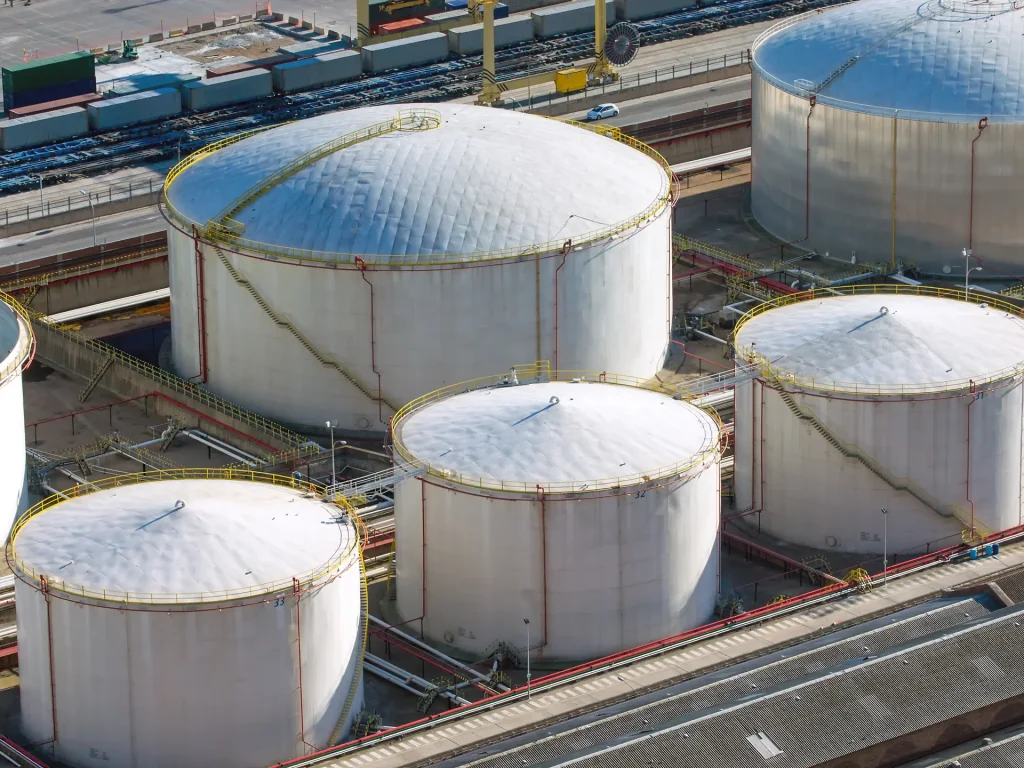
At Diamond Technical Services (DTS), we provide Mechanical Integrity services to help clients maintain safe, reliable, and compliant operations. Our expertise ensures equipment meets API standards and continues performing at the highest level throughout its lifecycle.
Mechanical Integrity refers to a set of standards and practices established by the American Petroleum Institute (API) to ensure that all mechanical components of petroleum and natural gas industry operations are designed, maintained, and operated in a way that ensures their safety, reliability, and performance.
Key Aspects of API Mechanical Integrity
Safety Assurance
The primary goal is to prevent accidental releases of hazardous materials and to protect personnel, the environment, and assets.
Equipment Integrity
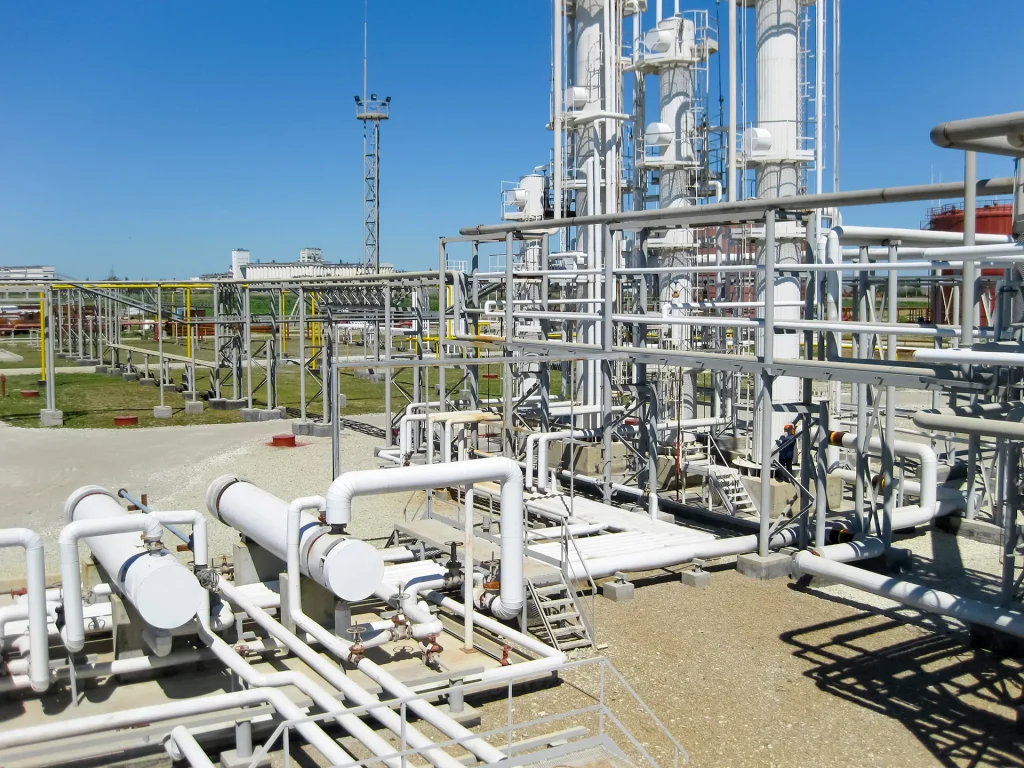
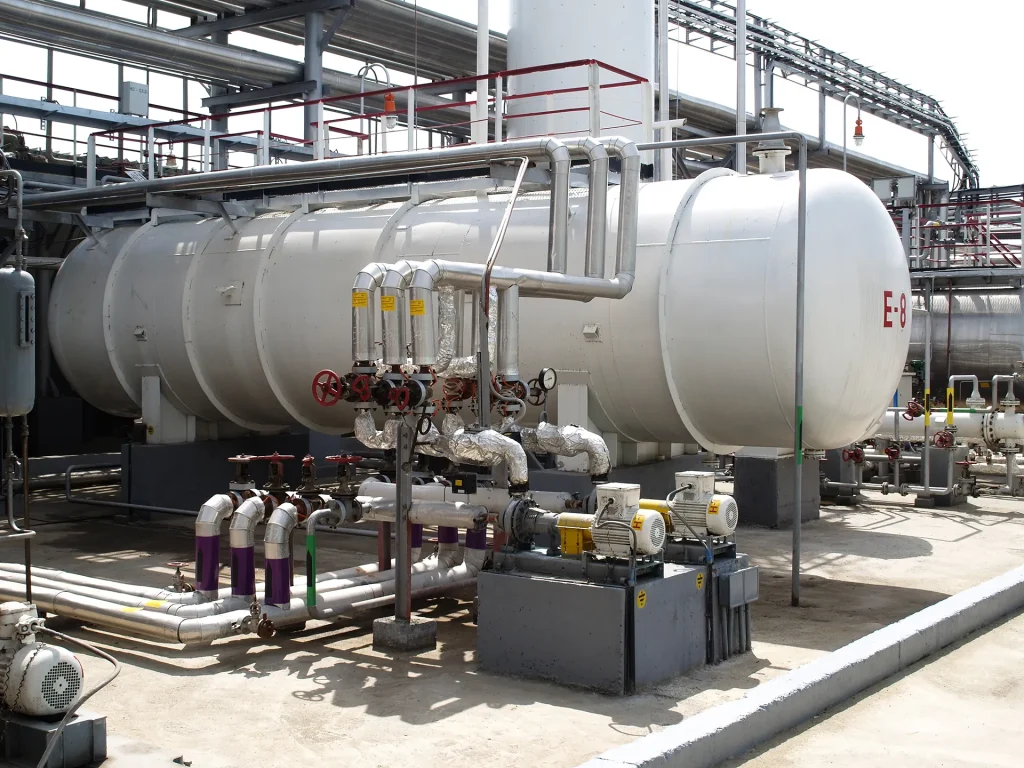
It involves ensuring the integrity of critical mechanical components, including tanks, pressure vessels, pipelines, and associated equipment, to avoid failure due to wear, corrosion, or other degradation over time.
Inspection and Testing
The procedure includes routine inspections and non-destructive testing (NDT) techniques to assess the condition of equipment. This helps in early detection of potential failures.
Maintenance Practices
Establishing preventive and corrective maintenance programs helps in mitigating risks associated with mechanical failures. Regular maintenance ensures that equipment operates within its designated safe parameters.
Documentation and Compliance
Keeping detailed records of inspections, maintenance activities, and integrity assessments is essential for regulatory compliance and continuous improvement. This documentation can also serve as a basis for audits and safety reviews.
Standards and Guidelines
API provides specific standards related to mechanical integrity, such as API 570 (Piping Inspection Code), API 653 (Tank Inspection, Repair, Alteration, and Reconstruction), and many others, outlining the minimum requirements for safe and effective mechanical integrity management.
Importance of API Mechanical Integrity
- Risk Management: It helps quantify, assess, and manage risks associated with machinery and processes to foster a culture of safety.
- Regulatory Compliance: Many industries, especially in oil and gas, are subject to stringent regulations requiring mechanical integrity practices.
- Operational Efficiency: By ensuring equipment integrity, organizations can minimize downtime, reduce maintenance costs, and enhance operational efficiency.
Why It Matters
By adhering to API Mechanical Integrity guidelines, organizations in the oil and gas industry can maintain high safety standards, ensure compliance with regulatory mandates, and promote sustainability in their operations.