
Non-Destructive Examinations
Keeping operations safe, compliant, and efficient requires reliable inspection and testing, that’s where Diamond Technical Services comes in. As a full-service nondestructive examination (NDE) provider, we offer a complete range of methods to help you maintain performance and meet regulatory requirements across industries. Our Level II and Level III certified technicians deliver inspections that meet the highest standards using the latest technology for accurate, high-quality results.
We also offer combo crews with multi-certified teams capable of performing several inspection methods in a single visit, helping clients save time, reduce costs, and streamline operations. DTS takes pride in our responsiveness and flexibility, adapting quickly to meet evolving client needs. Whether you need routine inspections or specialized testing, DTS provides dependable solutions tailored to your operational goals.
Why Clients Choose DTS for Non-Destructive Examinations
- Comprehensive Capabilities: Full-service testing for welds, components, and systems across major industries.
- Certified Expertise: Level II and Level III technicians ensure compliance and precision on every project.
- Efficiency and Cost Savings: Multi-certified crews perform several inspection methods in a single visit.
- Advanced Technology: Modern, high-resolution equipment provides reliable, documented results.
- Responsive Support: Flexible scheduling and quick turnaround to meet evolving project demands.
DTS partners with clients in the utility, power, chemical, refining, data center, pharmaceutical, and manufacturing sectors, delivering dependable NDE solutions tailored to operational goals.
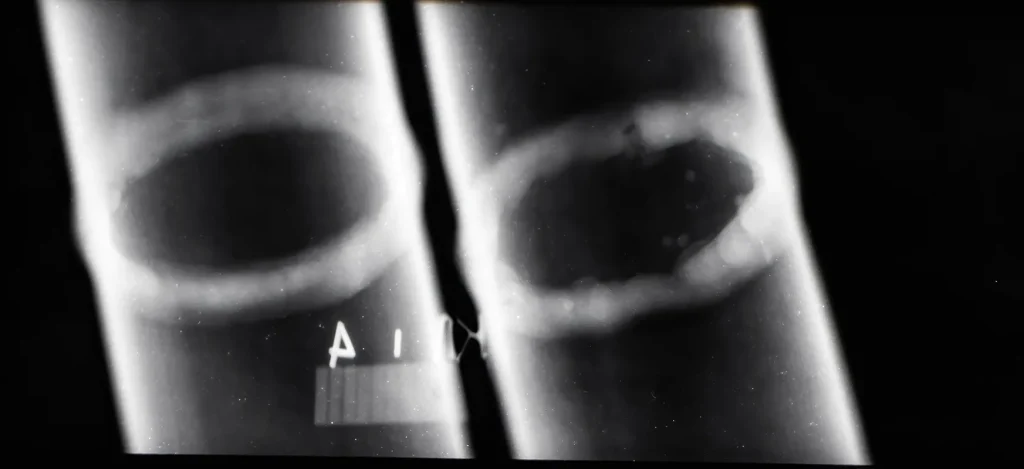
Radiographic Testing (RT)
Detect hidden internal flaws before they lead to costly failures.
Radiographic Testing (RT) uses X-rays or gamma rays to capture detailed images of a component’s internal structure, revealing cracks, voids, porosity, and inclusions that are invisible to surface-level inspection.
Key Benefits:
- Internal Flaw Detection: Identifies subsurface and volumetric defects with precision.
- Permanent Records: Produces image-based documentation for traceability and compliance.
- Versatile Applications: Suitable for metals, composites, and assemblies in oil & gas, power, aerospace, and manufacturing.
- High Accuracy: Detects even small defects with clear image resolution and sensitivity.
By identifying defects early, RT minimizes rework, reduces unplanned downtime, and supports long-term asset performance. DTS applies this approach across industries to improve efficiency and lower inspection costs through innovative techniques and training.
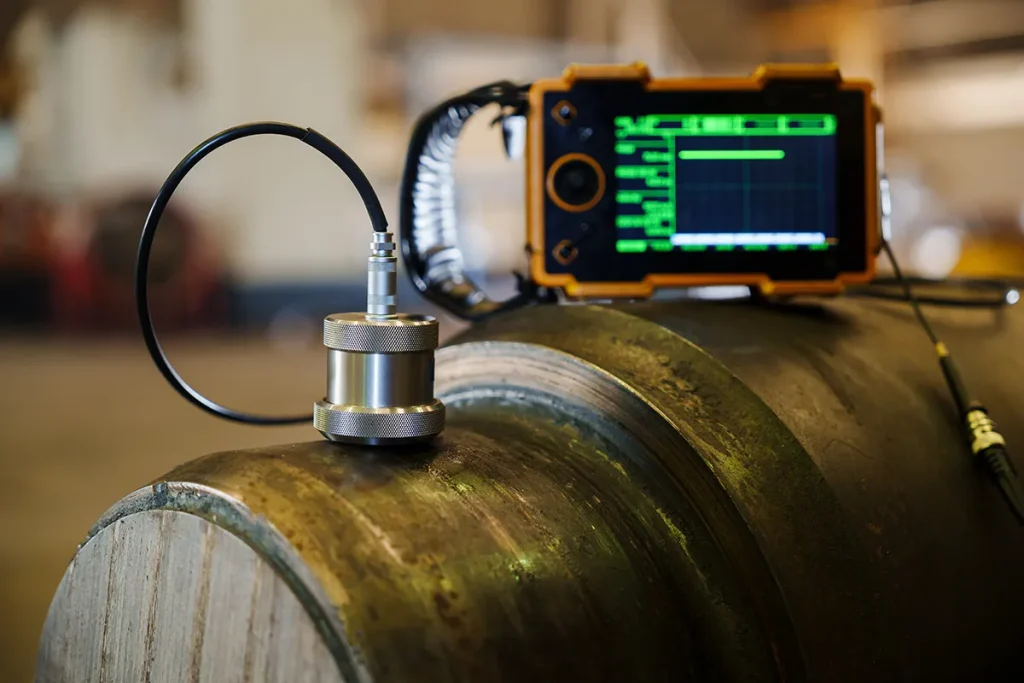
Ultrasonic Testing (UT)
Ensure the integrity of materials and welds with precise, real-time results.
Ultrasonic Testing (UT) uses high-frequency sound waves to detect internal or surface-connected flaws in metals and other materials. This method provides detailed, quantitative data for accurate flaw location and sizing, all without damaging the component.
Key Benefits:
- Accurate and Quantitative: Measures flaw depth, size, and orientation with precision.
- Extended Inspection Depth: Detects both surface and subsurface discontinuities in thick materials.
- Immediate Results: Provides real-time feedback for faster decision-making.
- Portable and Efficient: Suitable for both field and shop inspections.
- No Downtime for Testing: When using UT instead of radiography, nearby crafts can continue work without exclusion zones or off-shift support.
UT helps reduce the risk of failure, enhances quality control, and limits costly rework while keeping your assets in service and your operations on schedule.
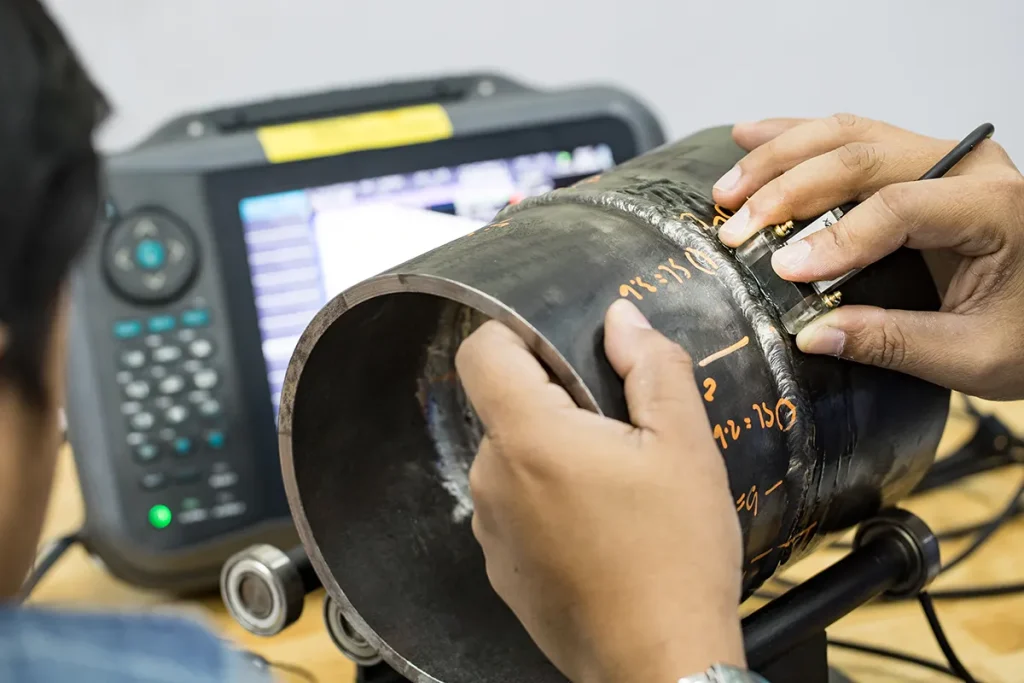
Phased Array Ultrasonic Testing (PAUT)
Advanced imaging for faster, more detailed inspections.
Phased Array Ultrasonic Testing (PAUT) builds on conventional UT using multiple ultrasonic elements and electronic beam steering to generate high-resolution, cross-sectional images in real time.
Key Benefits:
- High Precision Imaging: Accurately detects and sizes flaws in welds and complex geometries.
- Faster Inspections: Scans larger areas quickly, minimizing downtime.
- Versatile Applications: Effective across power generation, refining, and manufacturing industries.
- Digital Data Capture: Enables full traceability and long-term recordkeeping.
- No Downtime for Testing: When using UT instead of radiography, nearby crafts can continue work without exclusion zones or off-shift support.
PAUT provides faster, more reliable results that reduce project delays, support compliance, and optimize inspection efficiency, helping clients prevent issues before they escalate.
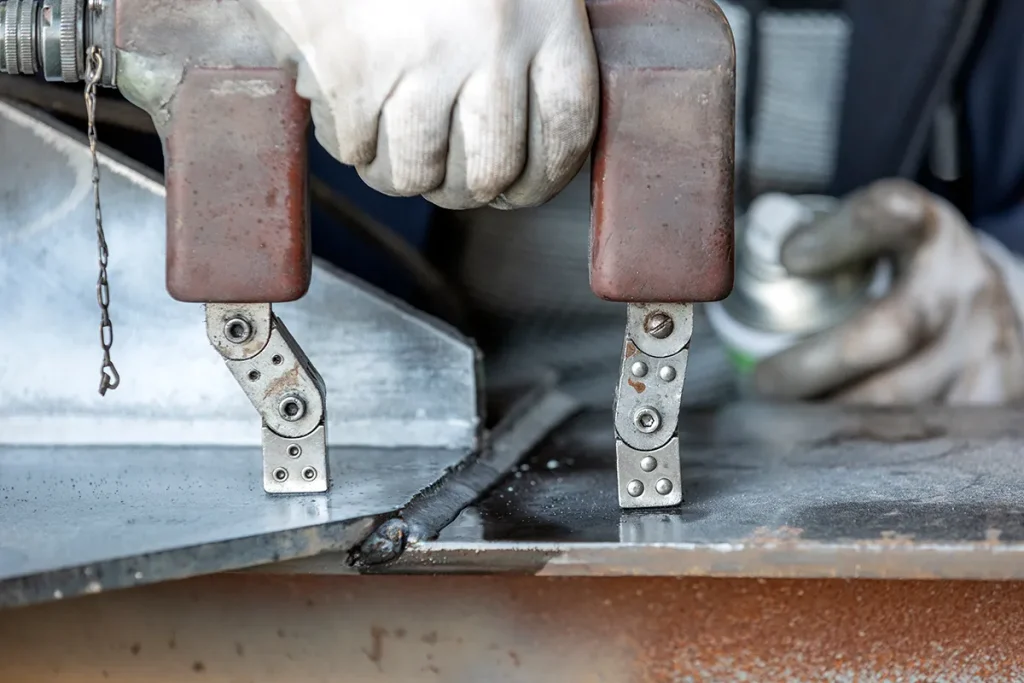
Magnetic Particle Testing (MT)
Detect surface and near-surface flaws in ferromagnetic materials with speed and precision.
Magnetic Particle Testing (MT) magnetizes components and applies fine magnetic particles to identify cracks, seams, laps, and inclusions.
Key Benefits:
- Quick and Accurate: Immediate, visible results for surface-breaking defects.
- Cost-Effective: Portable equipment minimizes prep time and inspection costs.
- Versatile: Effective on welds, castings, forgings, and in-service components.
- Non-Destructive: Equipment remains operational post-inspection.
By revealing defects early, MT helps prevent production delays, reduce repair costs, and extend the lifespan of critical assets. DTS performs MT inspections across refinery, oil & gas, and power sectors, including piping, structural steel, and turbine components. In-house production MT is also available for manufactured and containment inspections.
Liquid Penetrant Testing (PT)
Reveal surface-breaking defects that visual inspections may miss.
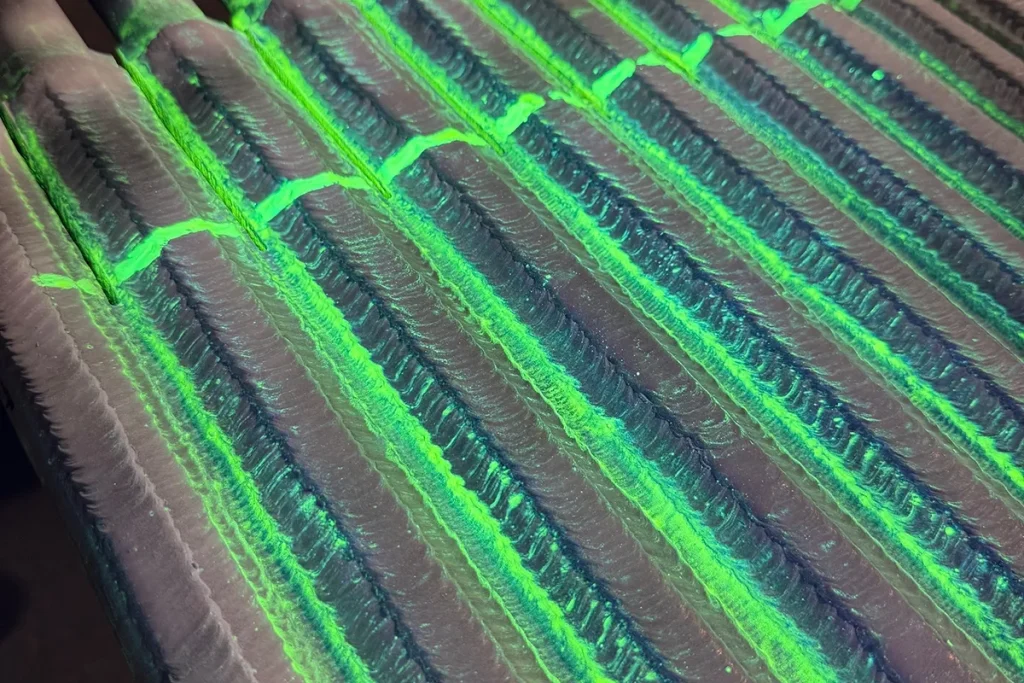
Liquid Penetrant Testing (PT) detects cracks and discontinuities on the surface of non-porous materials using visible or fluorescent dyes.
Key Benefits:
- Highly Sensitive: Identifies even the smallest surface flaws.
- Wide Material Range: Suitable for metals, ceramics, and plastics.
- Cost-Effective: Simple setup with quick processing times.
- Versatile Applications: Ideal for welds, castings, and machined parts.
- No power requirements for inspection.
PT provides a reliable surface inspection method for stainless steel, aluminum, and other materials used across power, oil & gas, refinery, aerospace, and manufacturing industries with in-house testing available for production and containment inspections.
Visual Testing (VT)
The foundation of every inspection process.
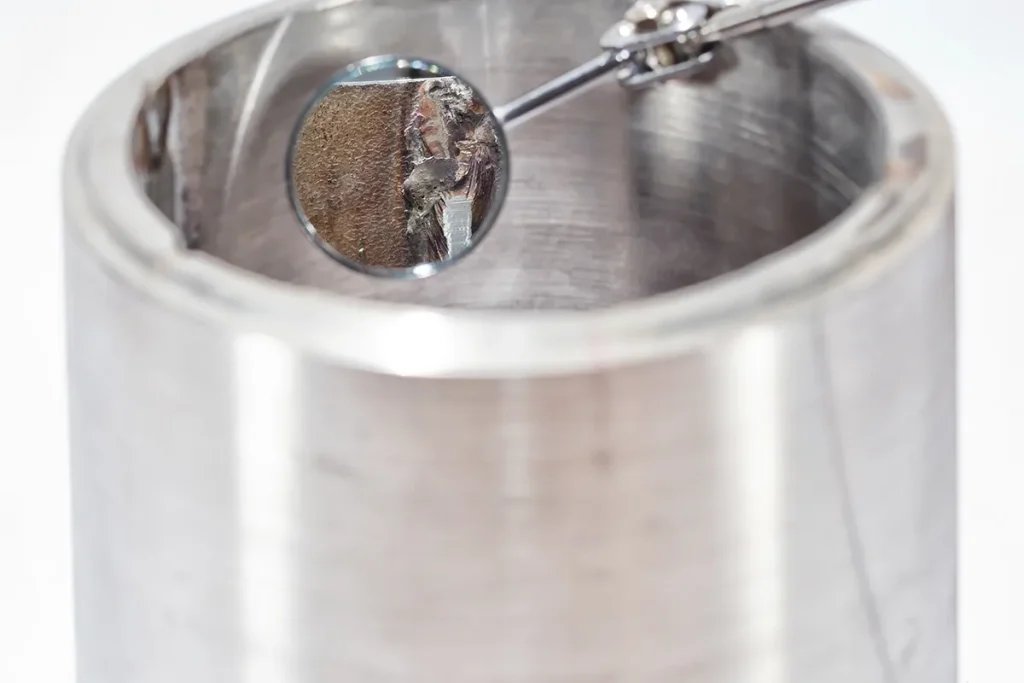
Visual Testing (VT) involves direct or remote assessment to detect surface-level issues such as cracks, corrosion, or misalignment. It’s fast, reliable, and often the first step in a comprehensive inspection plan.
Key Benefits:
- Immediate Results: Detects visible surface defects in real time.
- Low Cost: Minimal equipment and setup required.
- Versatile: Applied across all industries and inspection types.
- Foundational: Determines the need for advanced testing methods.
VT is performed prior to every NDE method at DTS. It provides the essential baseline for ensuring safety and integrity before moving forward with detailed testing.
Additional Testing Methods
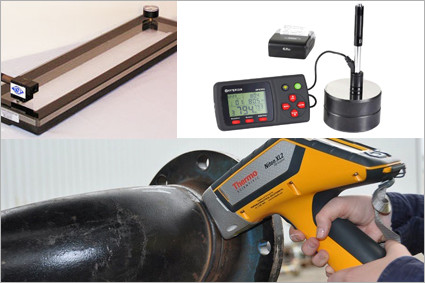
DTS is equipped to perform a variety of nondestructive and destructive testing practices to meet unique client requirements across industries.
Additional Capabilities:
- Hardness Testing
- Vacuum Box Testing
- Helium Leak Testing
- Positive Material Identification (PMI)
- Drone Inspections
Partner with DTS for Reliable, Cost-Effective Inspection Solutions
Whether you need a single inspection or an ongoing testing program, DTS delivers the expertise, flexibility, and responsiveness to help you maintain safety, compliance, and performance.
Contact us today to discuss your NDE needs or request a consultation with one of our certified technicians.